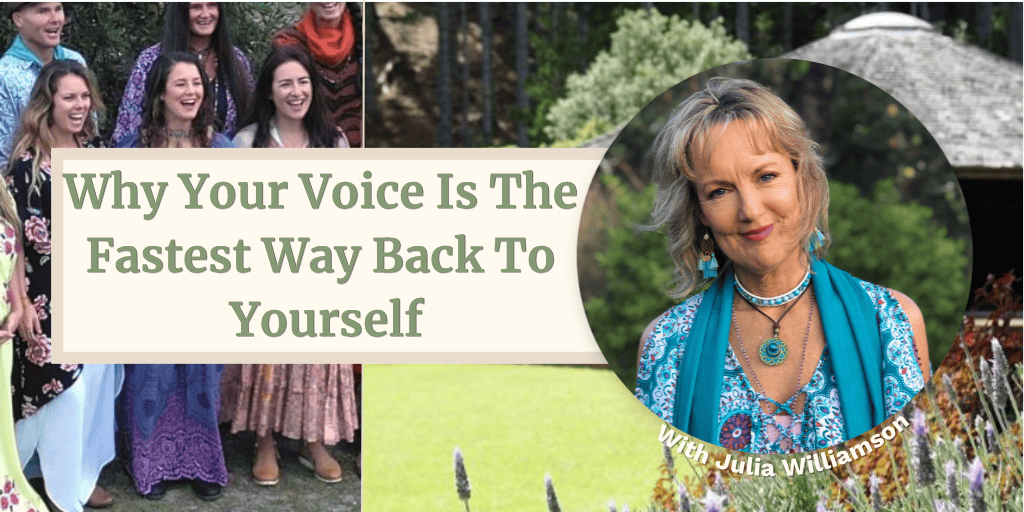
Why Your Voice Is The Fastest Way Back To Yourself
Date
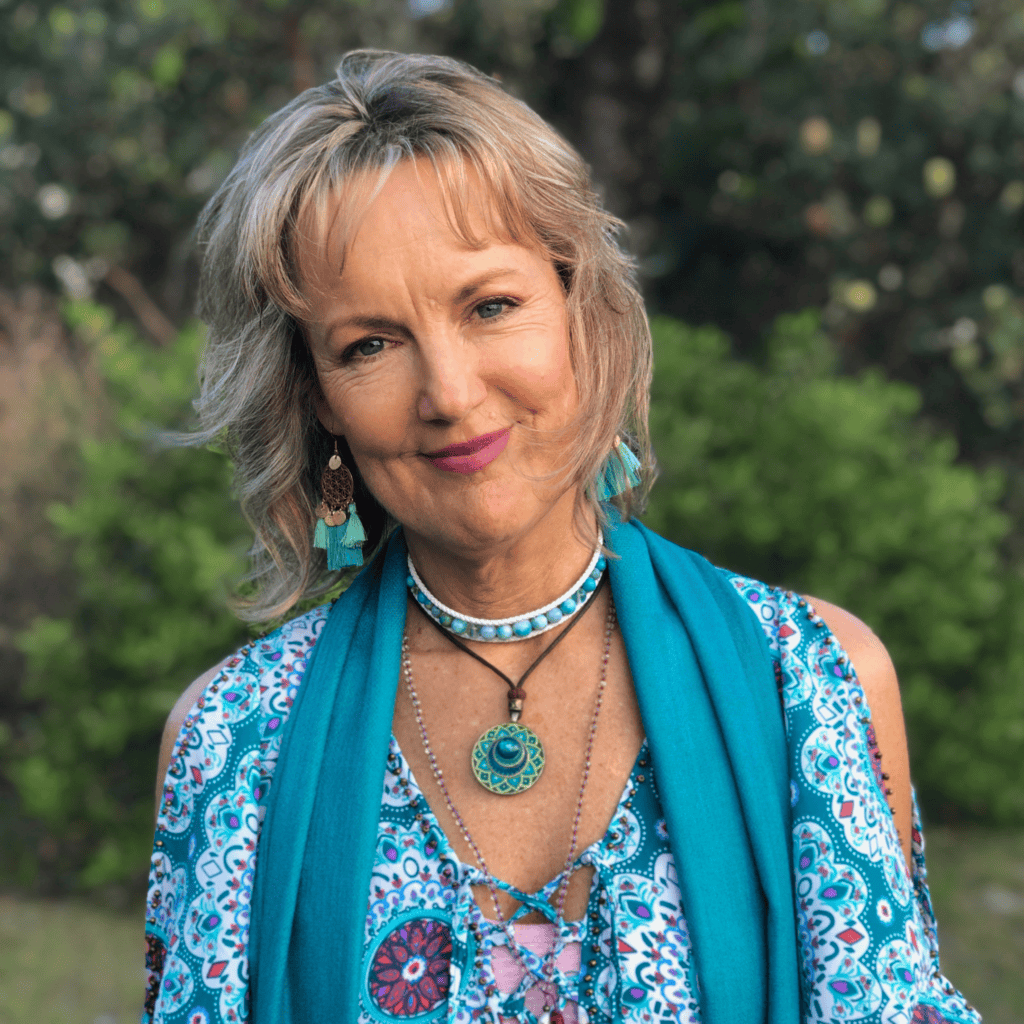
Julia Williamson is a transformational voice coach, professional singer and songwriter with over 35 years of experience helping people reconnect with their voice as a pathway to healing, authentic expression and personal transformation. She is the founder of Sing to Thrive and creator of the Sing to Thrive Method, a science-informed approach combining music, somatic voice techniques,
neuroplasticity and nervous system regulation. Her work offers an accessible and empowering way to cultivate greater ease, confidence and connection, with no singing experience required.
In this article, Julia explores the powerful relationship between voice, the nervous system and self-expression, and why finding our voice can be such a profound pathway back to ourselves.
For most of us, the voice is the first thing we silence. As children, many of us learn quickly that being loud, being seen, being heard can be met with correction, shame, or simply being ignored – so we shrink our sound, and in doing so, we shrink ourselves.
I know this pattern intimately. My own voice used to lock up completely. I was too frightened to speak, let alone sing. It took me decades, and a deep dive into the relationship between sound and the nervous system, to understand why.
Here’s what I’ve learned, both through my own healing and 25+ years of guiding others: your voice and your nervous system are directly linked. When you make sound – humming, toning, singing, even a long sigh – you stimulate the vagus nerve, the primary highway between brain and body. This same nerve is responsible for shifting you out of fight-or-flight and into a state of safety and calm. Long, extended exhales on a hum or an “ahh” slow the heart rate, signal safety to the brain, and give the body permission to release what it’s been holding.
This is why singing can feel like crying feels – like something is finally moving. Emotion is energy in motion, and sound is one of the most direct ways to move it. When we hold back our voice, we often hold back grief, anger, joy – the full range of what makes us human. When we free the voice, even briefly, we create a physical pathway for that emotion to complete its cycle instead of getting stuck in the body.
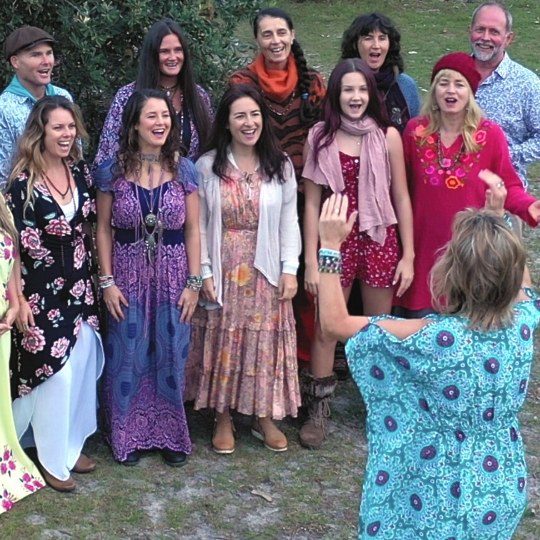
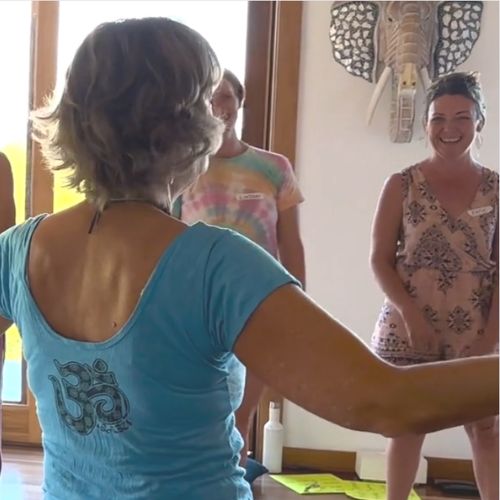
There’s a second layer too: the words we speak and sing shape the nervous system as much as the sound itself. Repeating an affirming phrase while toning doesn’t just feel nice – it rewires the neural pathways the body defaults to under stress, and it’s a direct practice of conscious creation: consciously choosing the reality you want to build, one sound and one word at a time. This is the foundation of my work: combining voice, breath, conscious language and conscious creation so people can reset their nervous system and reconnect with authentic self-expression, often within minutes.
You don’t need to be a singer for this to work. You just need to be willing to make a sound you’d normally hold back. Start small: hum for the length of one long exhale, three times, and notice what shifts. It’s often the first, simplest step back to yourself.
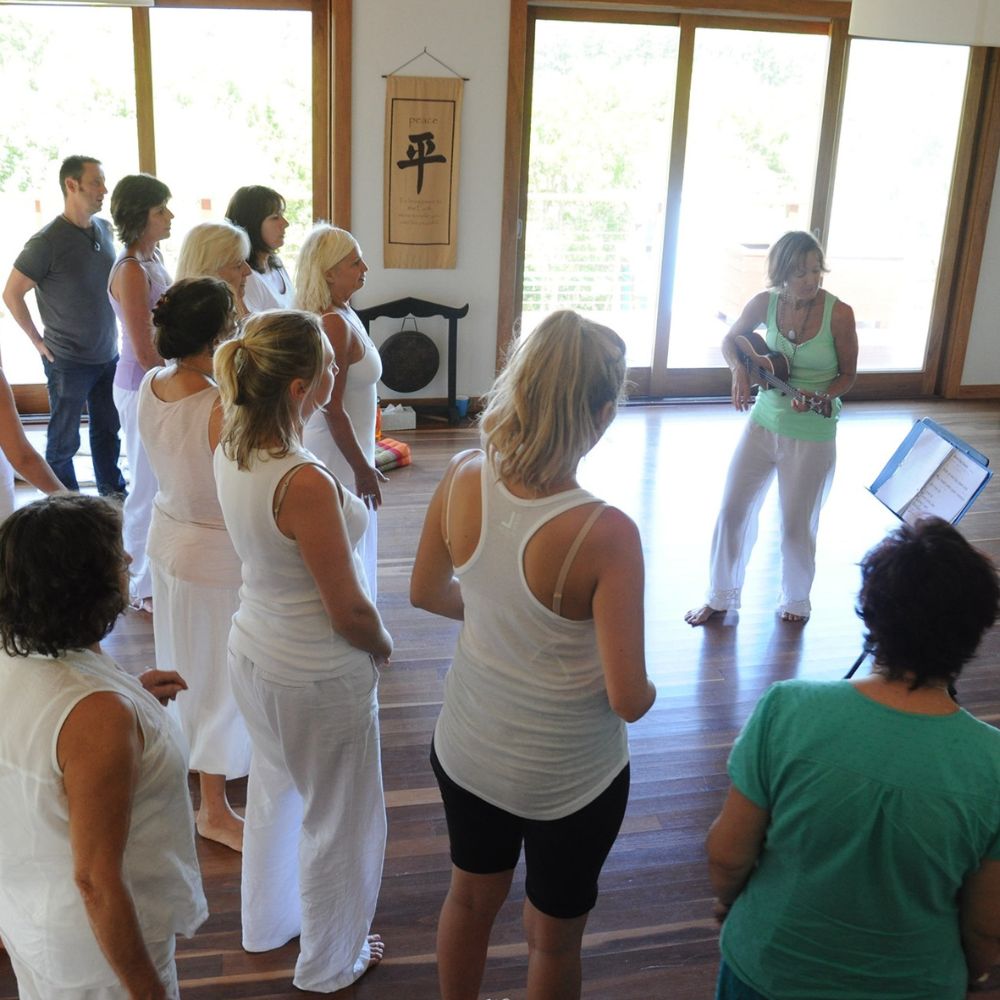
If this speaks to you, I’d love for you to join me – this October marks the very first Sacred Sounds retreat ever held in New Zealand: four days at the stunning Mana Retreat Centre, October 4-8. New Zealand locals, get in touch with me directly for our local commuter discount, or click the button below for full retreat details.
Our Online Community is a collective field open to contributors; an inspirational space for co-creation. We welcome creative writing community contributions; personal stories, poems, vignettes, anecdotes, letters, prayers, etc that inspire Unity, Peace and Love. If you have content that you would like to share please get in touch with our team >
Get inspiration in your inbox!
Receive our monthly enews with the latest articles and free resources for your spiritual exploration and renewal.